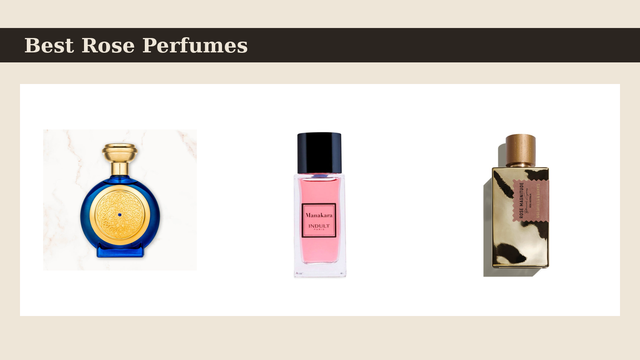
To layer perfume, apply the heavier fragrance first and a lighter one on top, start with just two scents, and pair fragrances that share a note or offer a clear contrast. Give the combination 15 to 30 minutes to settle before you judge it, because layers change as they dry down together.
Quick answer: how to layer perfume
Heavy first, light second, two scents maximum to begin with. Choose one simple fragrance, like a soft musk or vanilla, as your base and one brighter perfume as the top layer. Keep the combinations where both scents stay recognisable but feel like one idea.
What is perfume layering?
Perfume layering (also called fragrance combining) means wearing two or more scented products at the same time so they blend on your skin into something new. The layers can be two perfumes, or a scented body oil, lotion or musk worn under a spray.
It is a modern trend in the West, but an everyday habit in much of the Gulf. In a Zoe Report feature on Middle Eastern fragrance traditions, Mona Kattan, co-founder of Huda Beauty and Kayali, describes starting with a fragranced body lotion and musk oil before her other perfumes, saying musk "is a great base for whatever's to come after that." Firmenich perfumer Hamid Merati-Kashani adds that in the Gulf people layer popular perfumes with oils "to make sure other people don't recognize what they're wearing." That is the real appeal of layering: a scent that is yours alone.
Which perfume goes on first when layering?
The general rule is to apply the stronger or heavier scent first, then the lighter one. The perfume site Osmoz puts it simply: start with the most intense scent so it does not overpower the lighter one.
"Heavy" here means fragrances built mostly on base notes, the slow-evaporating materials like woods, musks, vanilla, amber and oud that make up the last stage of a perfume. "Light" usually means scents led by top notes, the bright, fast-fading materials like citrus and herbs. If you want a refresher on how those stages work, see our guide to top, heart and base notes.
Putting the base down first lets you add the lighter perfume gradually. One spray at a time, smell, then decide whether it needs another.
How to choose two perfumes that go together
There are two reliable ways to pair fragrances, and both work well for beginners.
- Share a note. Pick two scents with an ingredient in common, such as rose in both, or vanilla in both. The shared note acts as a bridge, so the combination feels smooth instead of patchy.
- Make a clear contrast. Pair opposites on purpose: fresh citrus over warm vanilla, or bright spice over soft musk. Osmoz suggests pairings like fresh citrus with gourmand notes (sweet, edible-smelling notes such as vanilla, caramel or pistachio), or a very fresh cologne to lift a dense perfume.
It also helps to know your fragrance families, the broad groups such as floral, woody, amber and fresh that perfumes are sorted into. Scents from the same or neighbouring families tend to blend easily. Our guide to the fragrance families is a good map.
What perfumes should you not layer?
Osmoz warns against combining two fragrances with very strong or very complex personalities, and in our experience in the boutique that is the most common layering mistake. Two loud, many-noted perfumes tend to argue with each other, and the result smells crowded rather than rich.
A few other pitfalls to avoid:
- Too many sprays. Two perfumes at full strength is a lot of fragrance. Use fewer sprays of each than you would wear alone.
- Judging too fast. The first minute is mostly alcohol and top notes. Wait for the dry-down, the slow settling of a perfume into its heart and base.
Easy perfume layering combinations to try
The easiest layering partners are simple, quiet scents that sit close to the skin. Here are a few starting points from fragrances we carry. Treat them as ideas to test on your own skin, not fixed recipes.
A soft musk under anything
Musk is the classic layering base because it adds warmth and a clean, skin-like softness without shouting. Essential Parfums The Musc, by perfumer Calice Becker, opens with bergamot and pink pepper over a heart of rose and jasmine and a base of white musk, ambrette and cedar. Spray it first, then add a floral or citrus perfume on top to make it feel softer and closer to the skin.
For a creamier musk base, Attar Al Has Skin Musk pairs almond, peach and bergamot with jasmine, magnolia and Turkish rose, over musk, bourbon vanilla and tonka bean. Browse more options in our musk fragrances.
Citrus over vanilla
This is the contrast pairing Osmoz suggests, and it is a good one to learn on. Use Ormonde Jayne Vanilla Mistral (re-released as Vanilla Aube) as the base: a spicy, woody vanilla with black pepper, cardamom, pistachio and pomegranate up top and sandalwood, ambergris, vanilla and vetiver underneath. Then mist Goldfield & Banks Bohemian Lime, a citrus aromatic of lime, coriander and vetiver, over it. The lime brightens the opening, and the two share vetiver and sandalwood in the base, so they settle together cleanly.
Rose and oud
Rose and oud is one of the most loved pairings in Middle Eastern perfumery. Hind Al Oud Rose already joins rose with agarwood (the resinous wood that oud comes from), so it works as a ready-made base. Add a light floral or a fresh perfume on top for daytime, or a musk for a softer evening scent. If oud is new to you, start with our explainer, what is oud.
Prefer to experiment in person? Smell them side by side at our Somerville boutique, where we are happy to try combinations on blotters before you commit to anything on skin.
How to layer perfume step by step
- Start with clean, moisturised skin. Use an unscented lotion, or a body product that matches one of your fragrances.
- Apply the base layer. One or two sprays of the heavier scent on your pulse points or chest. Our guide on where to apply perfume covers the best spots.
- Let it settle for a minute. Do not rub it in; rubbing just warms and smears the top notes.
- Add the lighter layer. Start with one spray over the same spot, or on a different spot if you want the two to stay more distinct.
- Wait 15 to 30 minutes, then judge. If the lighter scent has vanished, add one more spray next time. If the base is too loud, use less of it.
- Write it down. Note the ratio that worked, such as two sprays of musk to one of citrus, so you can repeat it.
Layering can also help a lighter perfume feel longer-lasting, because the base layer lingers after the top layer fades. For more on that, see how to make perfume last longer.
A note on sensitive skin
Layering means more fragrance on your skin at once. If your skin is reactive, wear each perfume on its own first. The American Academy of Dermatology suggests testing a new product on a small spot, such as the inner arm, twice a day for seven to ten days, and stopping if you notice redness, itching or swelling. You can also layer on clothing or a scarf instead of skin.
Frequently asked questions
What is perfume layering?
Perfume layering means wearing two or more fragrances at the same time so they blend into one scent on your skin. It can be two perfumes, or a scented oil, lotion or musk under a spray. The goal is a combination that smells like a single, deliberate fragrance rather than two competing ones.
Which perfume do you put on first when layering?
Put the heavier, richer or stronger fragrance on first and the lighter one on top. Heavy scents built on woods, vanilla, oud or amber can easily bury a delicate citrus or floral, so applying them first lets you judge how much of the lighter scent you still need.
How many perfumes can you layer at once?
Start with two. Most fragrance guides advise beginners to limit themselves to a pair, and only try a third once they know how the first two behave together. More layers make it harder to tell what is working and easier to overdo it.
What perfumes should not be layered together?
Avoid pairing two very strong or very complex fragrances, because their many notes tend to clash and the result can feel heavy and muddy. Two loud signature perfumes rarely improve each other. A simple, quiet fragrance is a far easier partner.
What is the easiest perfume to layer with?
A soft musk or a simple, single-idea fragrance is the easiest starting point. Musk sits close to the skin and adds a clean, warm base without fighting the other perfume. Vanilla and clean woods are also forgiving partners.
Does layering perfume make it last longer?
It can help. A rich base layer of musk, vanilla or woods usually lingers longer than a bright citrus or floral, so the combination can stay noticeable after the lighter scent has faded.
Should you layer perfume on the same spot or on different spots?
Either works. Spraying both on the same spot gives the most complete blend, while spraying them on different areas, such as the base on the chest and the lighter scent on the wrists, lets each one stay more distinct. Try the same-spot method first so you can judge the true combination.
Is it safe to layer perfumes on sensitive skin?
Layering means more fragrance on your skin, so if your skin is sensitive, test each perfume on its own first. The American Academy of Dermatology suggests trying a new product on a small spot, such as the inner arm, for several days. Stop if you notice redness, itching or swelling, and see a dermatologist if a reaction does not settle.